
Your Furniture Should Be Uncomfortable, Primitive, and Dangerous
I’m constantly saving images of rooms that inspire me. I bookmark sites, screenshot photos on my phone, and collect interior design magazines to refer to for inspiration. Recently, as I was diving into my saved inspiration, I noticed that the spaces I’m most drawn to share three common elements: furniture that is uncomfortable, primitive, and dangerous. Here’s what I mean.
Uncomfortable
I’m all for functional furniture, but a piece can also simply exist as art. Does that idea make you uncomfortable? Good—great design should push boundaries. Not every chair in your home needs to be sat in. Sometimes, you bring a piece into a space purely because you’re drawn to its form, much like artwork hanging on a wall.
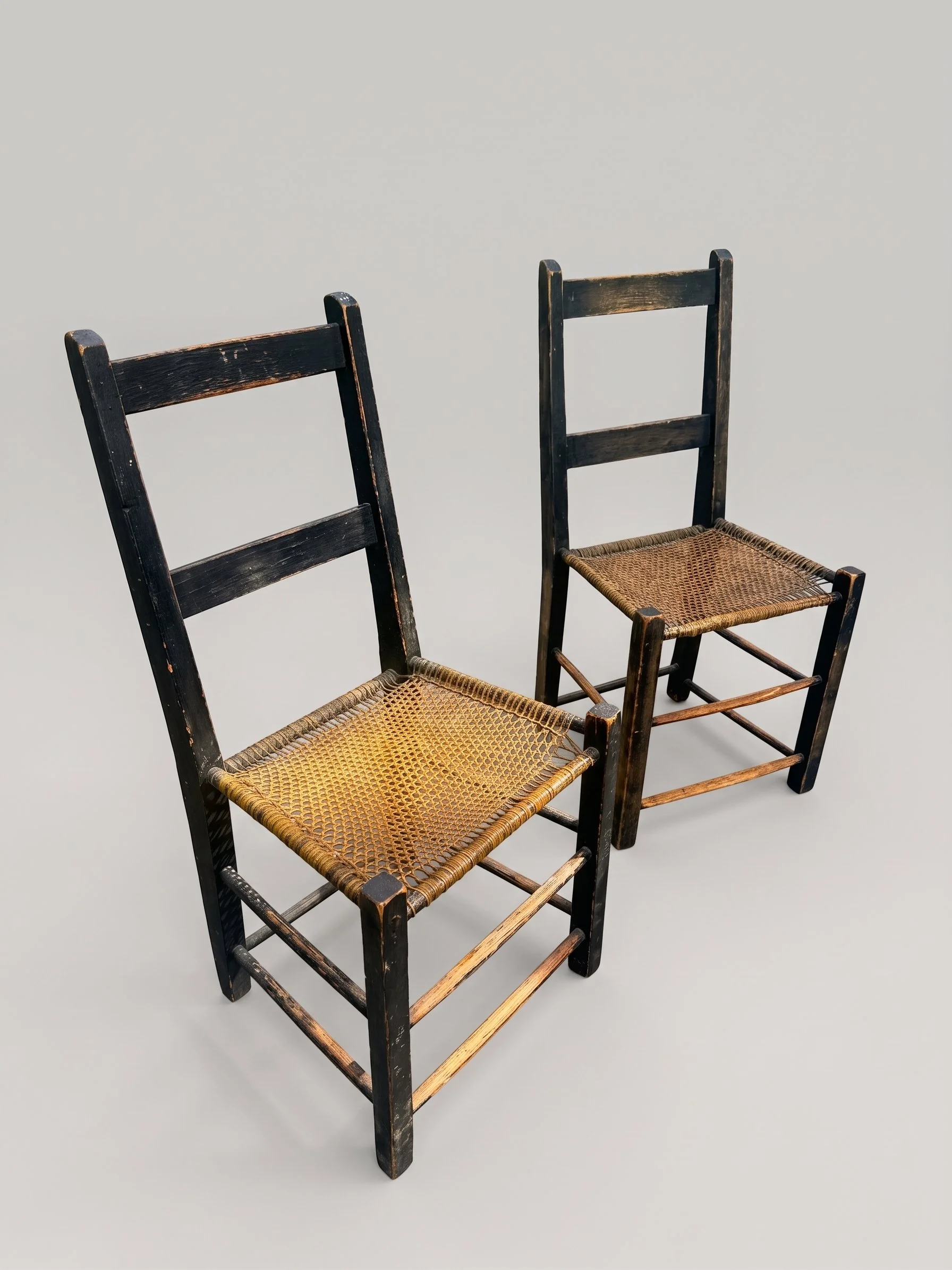
I recently picked up a pair of antique chairs off Facebook Marketplace. The seller warned me that they were very old and probably shouldn’t be sat on, but to me, that didn’t matter at all. The moment I saw them online, I knew their purpose wasn’t practical. I was captivated by their beautifully patinated wood and worn, frayed leather seats. They were sculptural elements—perfect for tucking into the corner of a room to instantly add depth, history, and character.
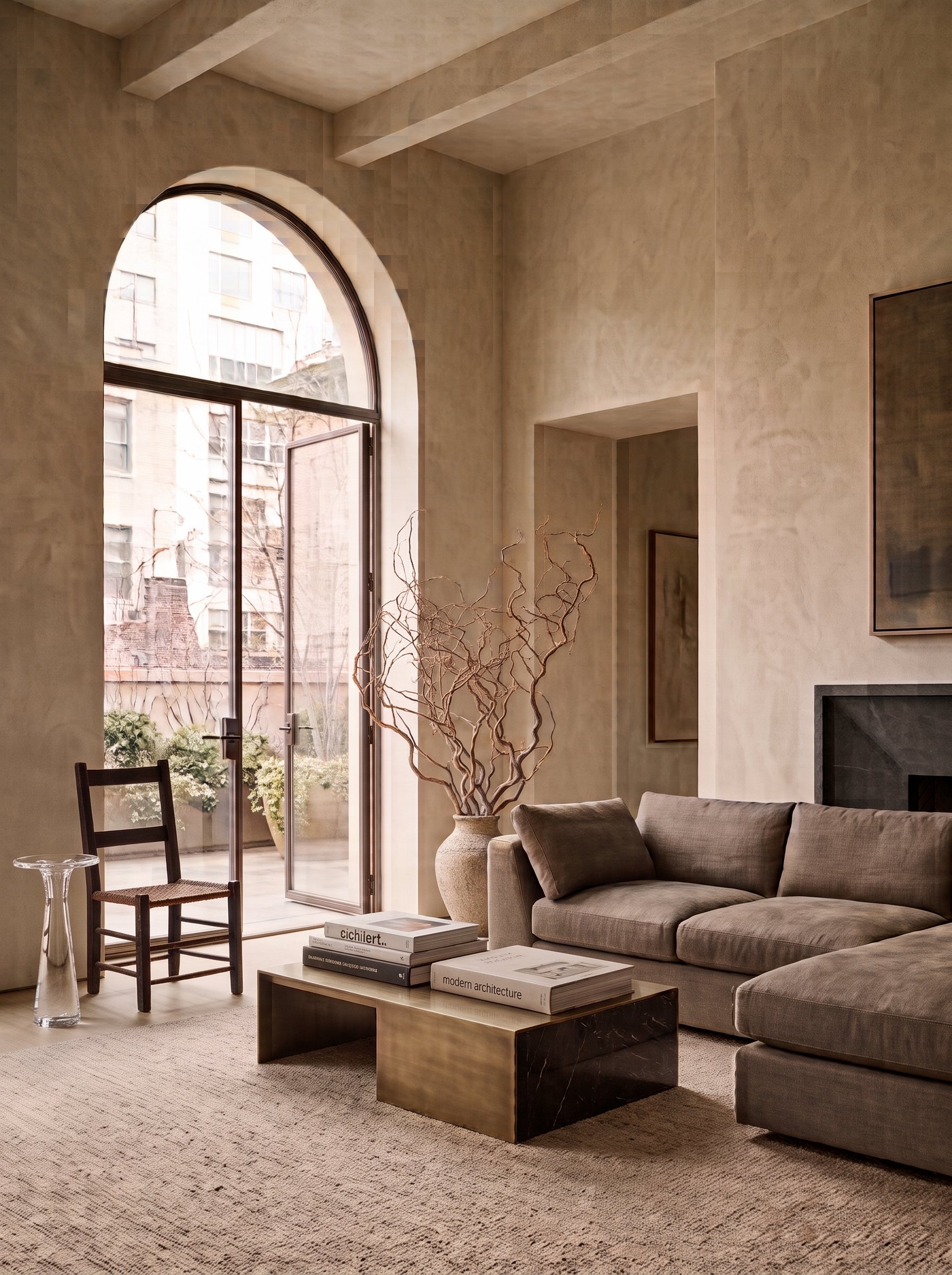
Left: Image is AI generated to show the primitive chairs as an accent piece in a modern space with new furniture.
Right: Chairs available for purchase in Maddenda’s Shop
Primitive
Speaking of age and character, every well-designed space needs primitive elements. Some of my favorite interiors belong to Somerset House in Long Island, NY, where modern eclectic style effortlessly pairs mid-century furniture with raw, primitive objects. Whether it’s a piece of sculptural driftwood resting in a corner, African masks mounted on a wall, antique bread bowls on a coffee table, handmade ceramics on styled shelves, or carved accent chairs, these organic, grounded pieces soften and balance the sharp, clean lines of modern design.
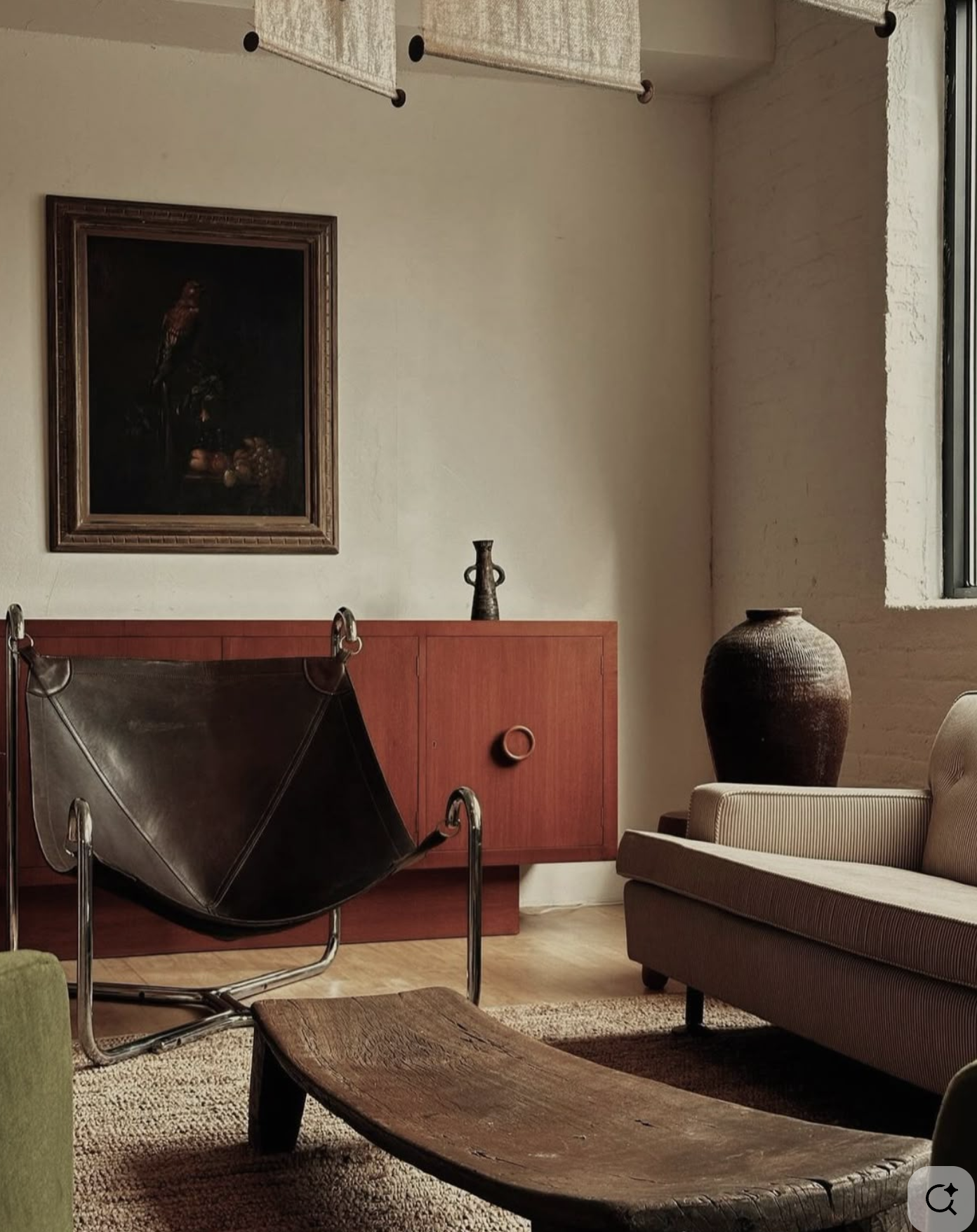
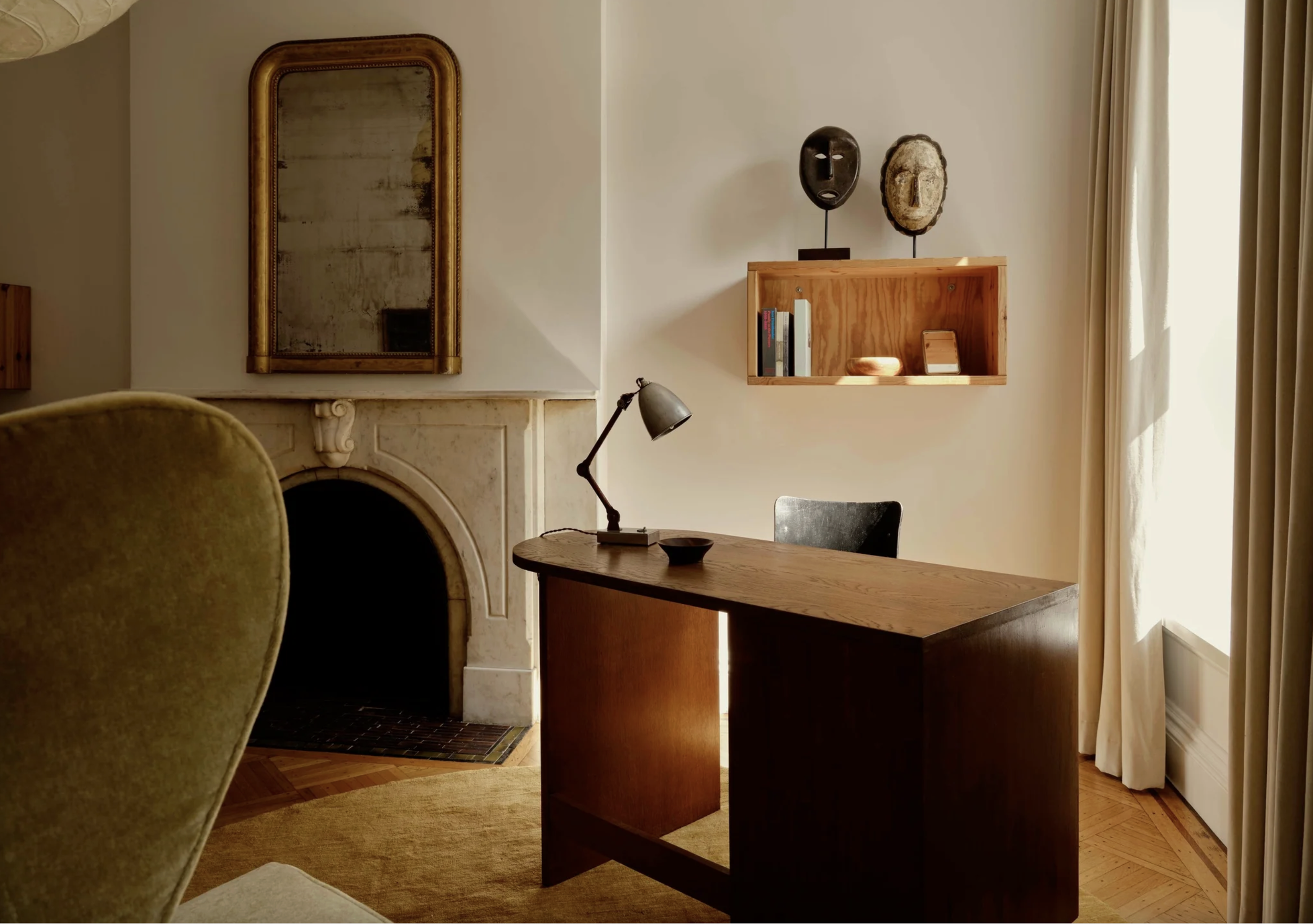
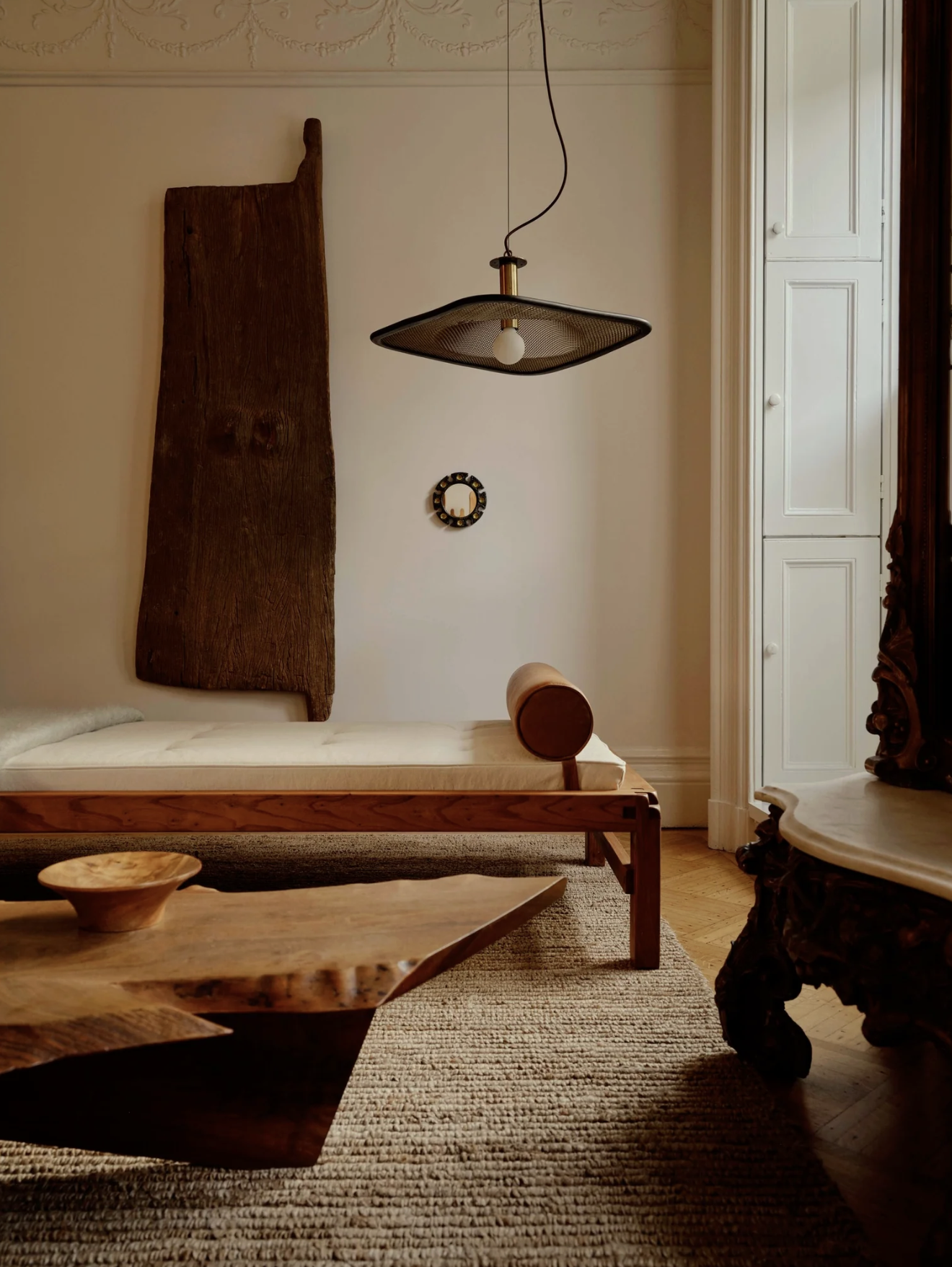
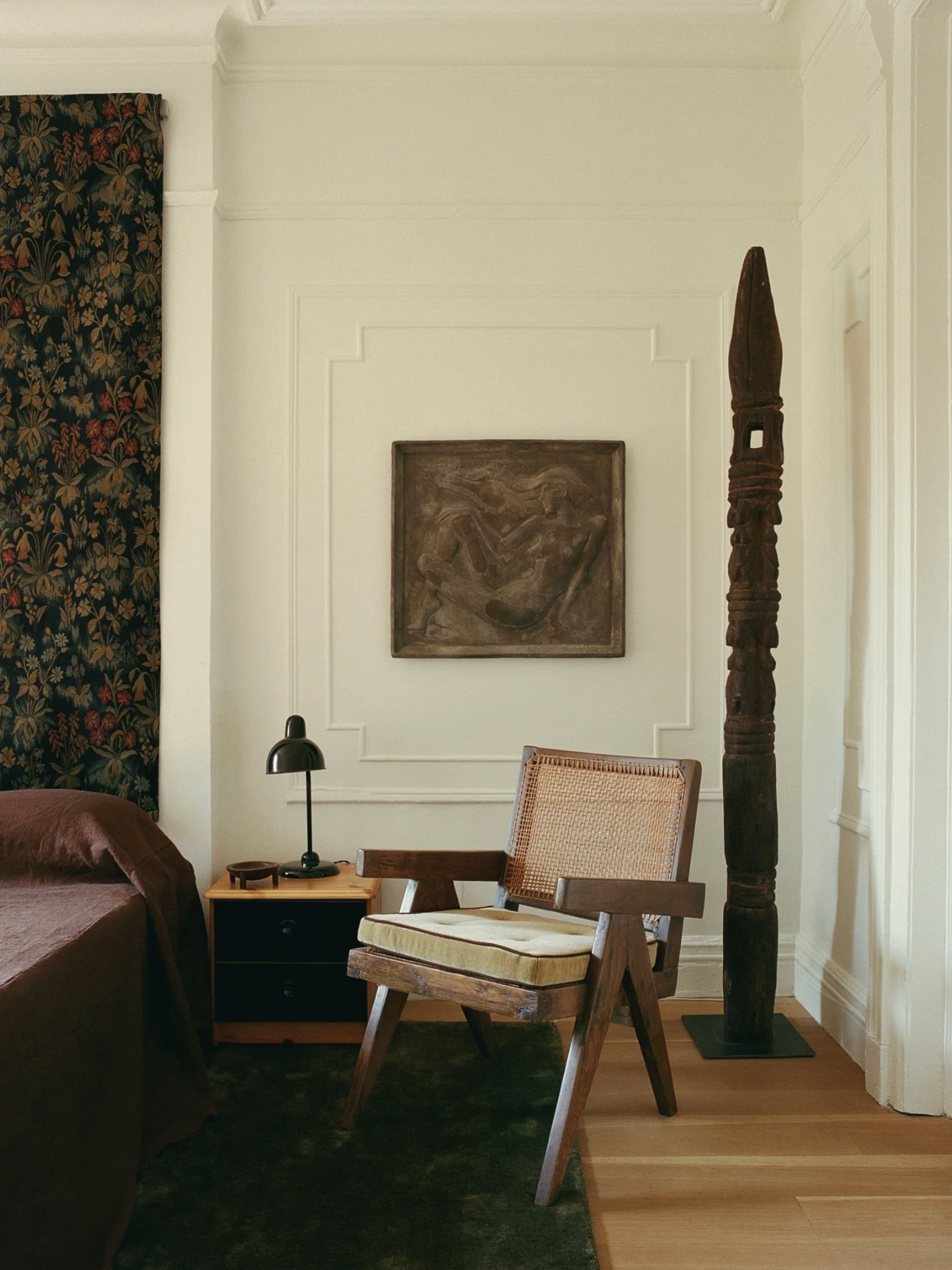
Primitive elements in the Somerset House designs
Left: large bread bowl and urn, middle left: plywood shelf and masks, middle right: organic wood wall plaque, right: carved wood floor sculpture
Dangerous
Dangerous furniture shares a philosophy with uncomfortable furniture: decor doesn’t always need to be purely functional, and it certainly doesn’t need to be safe. Have you ever caught yourself looking at a bold piece and thinking, “I love this, but…”
“…it might be too out there.”
“…I’ve never seen anything like it before.”
“…what would I even do with it?”
“…it’s just not practical.”
If so, you’re playing it too safe. Embracing “dangerous” furniture means choosing unique, unexpected pieces over mass-produced items from big-box stores. It means choosing items that might not make sense practically, but bring immense joy whenever you look at them. For instance, I love using pedestal pillars as decorative accents. While they can functionally hold a sculpture, urn, or art piece, they’re also striking sculptural statements on their own. (Just make sure if you have little ones running around that they don’t become literally dangerous!)
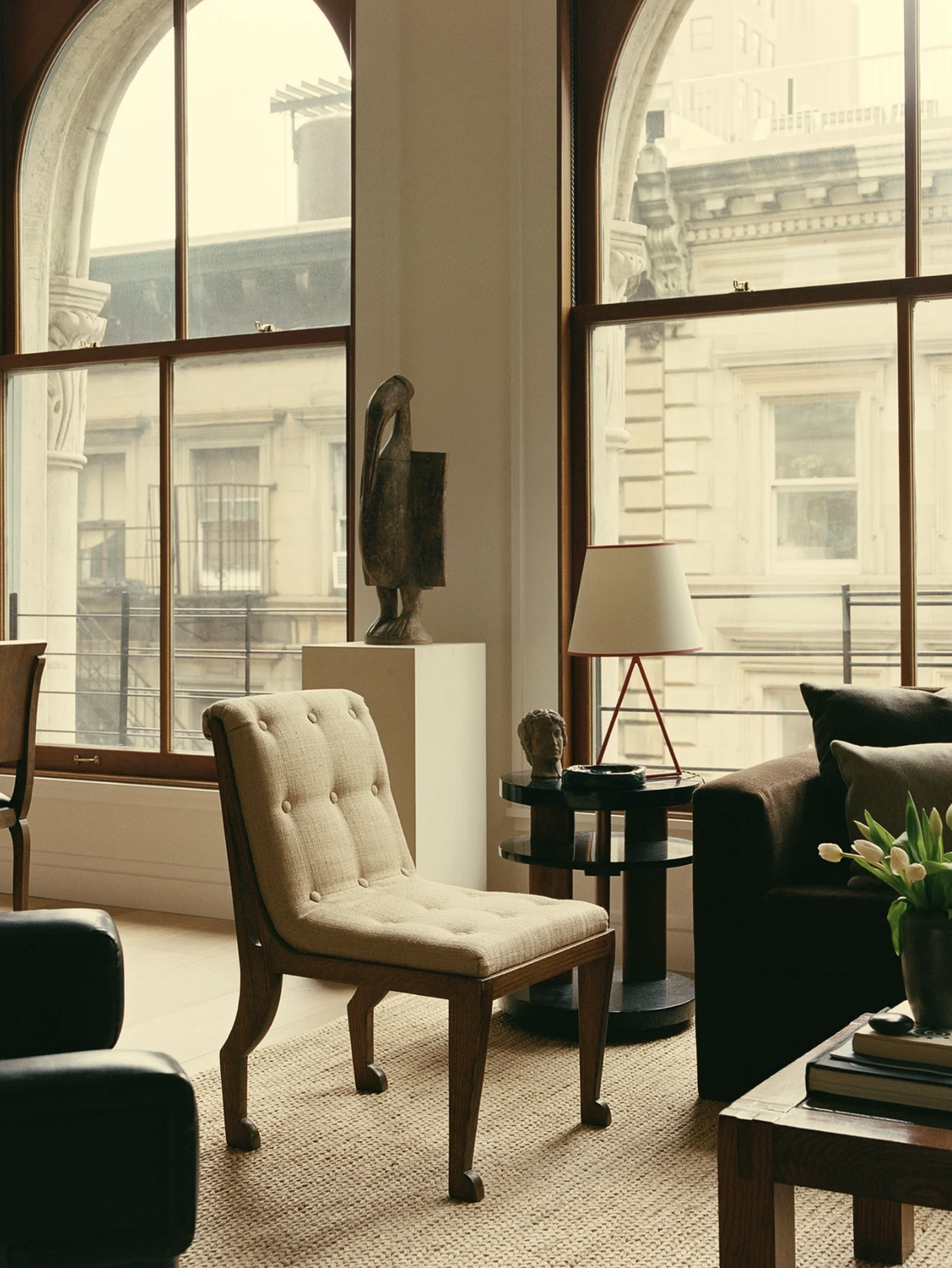
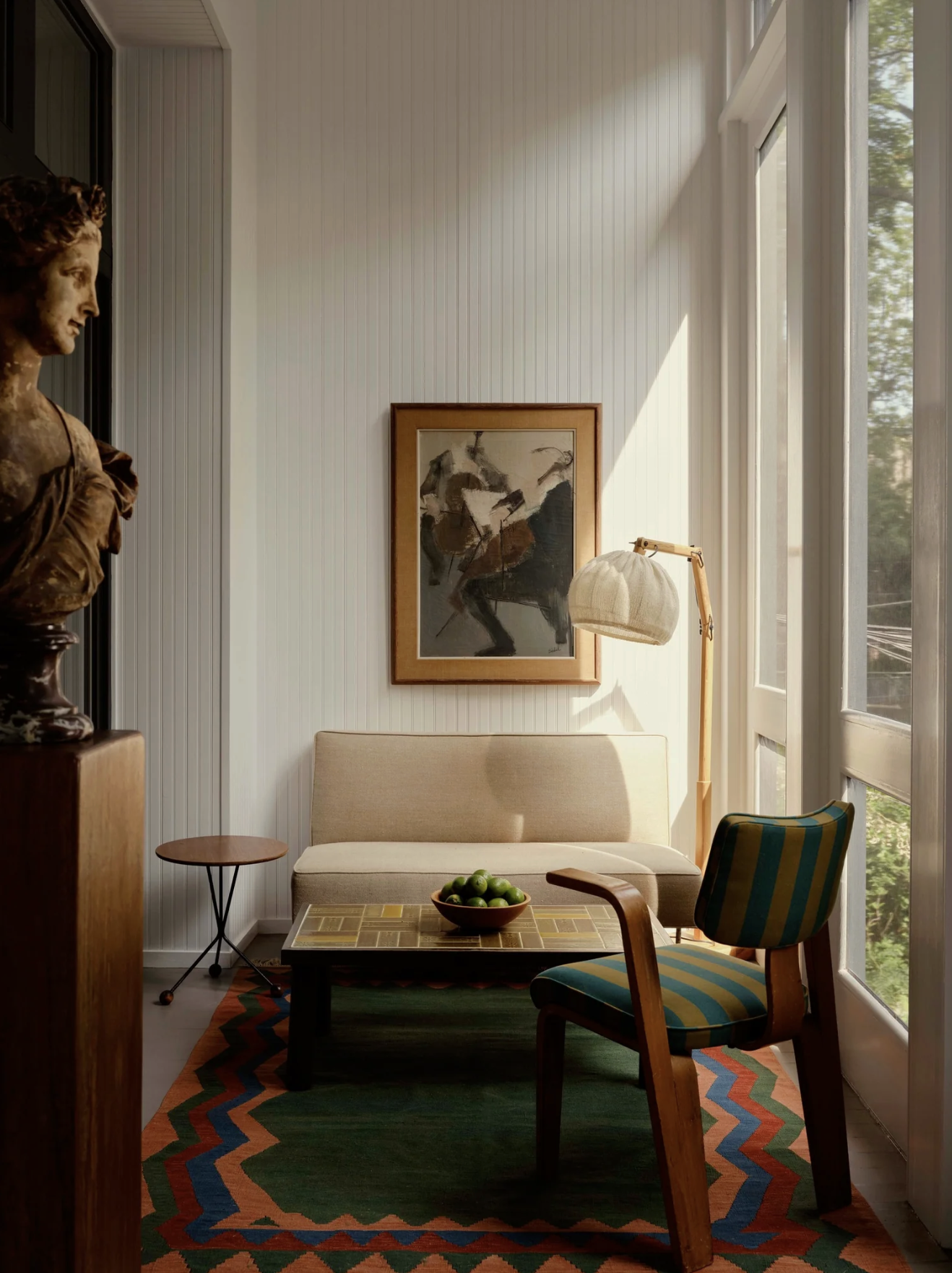
Example of pillars in the Somerset House designs
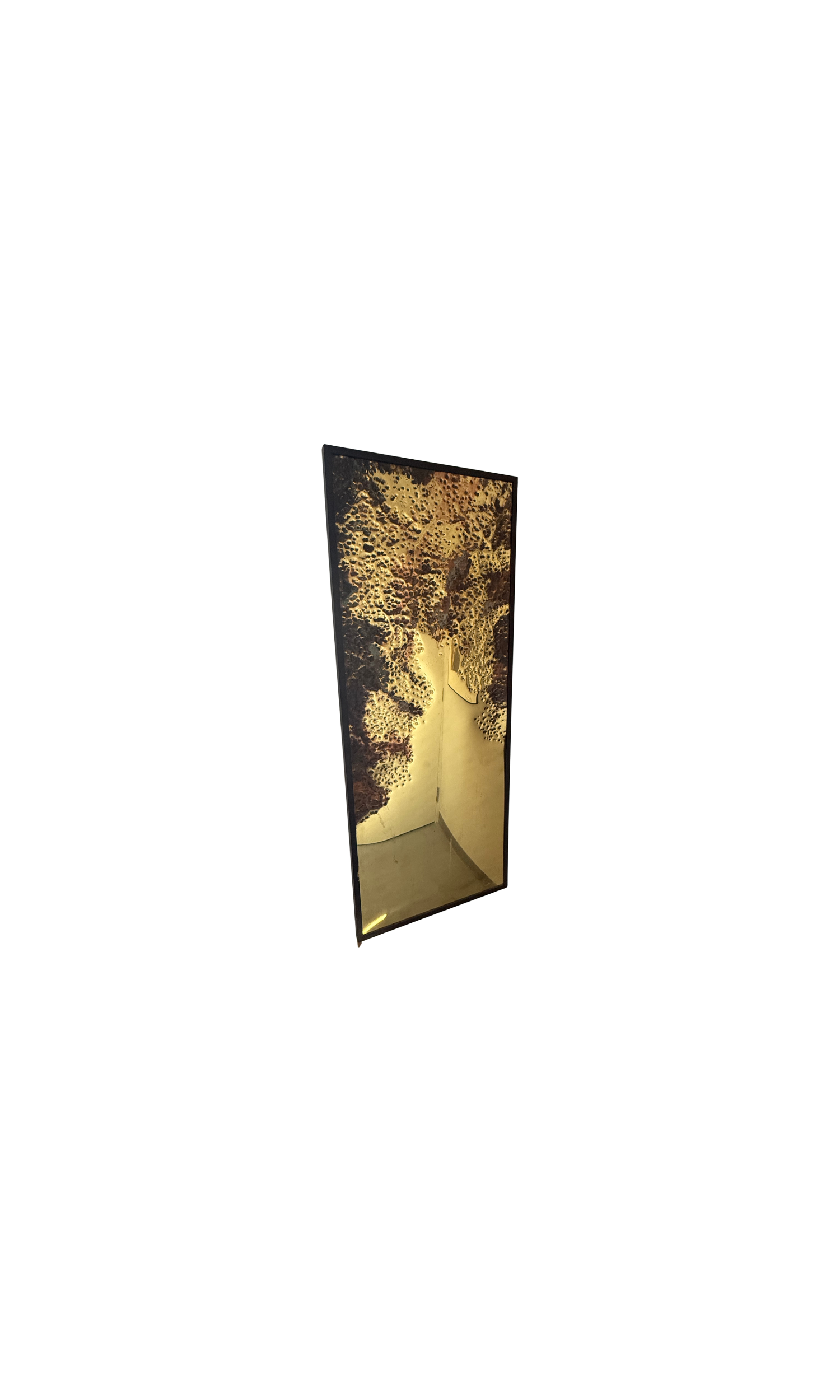
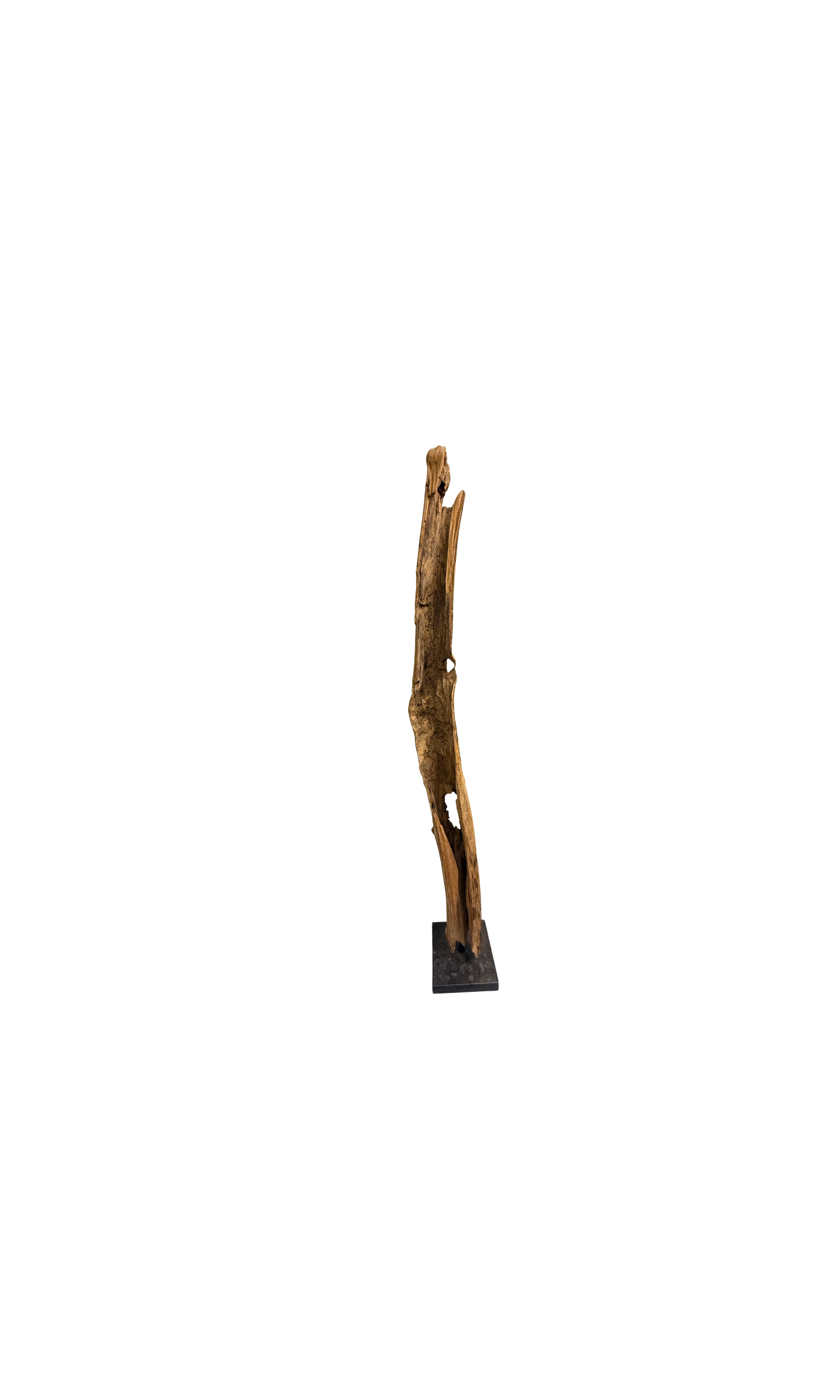
If you’re ready to introduce a touch of the uncomfortable, primitive, or dangerous into your home, explore Maddenda’s collection. Here are a few statement pieces to get you started:

A stunning, museum-quality (c.1970s) fiber art wall hanging by renowned Canadian textile artist Jane Sartorelli (1924–2006). Known for her idiosyncratic approach to low-relief tapestries, Sartorelli masterfully combines rich texture, sculptural depth, and organic form in this large-scale statement piece.
Suspended from a natural wooden branch, this piece features a dramatic central burst of vibrant yellow, crimson, and burnt orange hand-dyed wools, framed by raw wooden accents and deep indigo details. The central core transitions into a heavy, cascading fringe of natural coarse fibers, anchored below by a textured woven tapered tail.
Highly tactile and full of 1970s modernist energy, this piece is ideal for collectors of vintage fiber art, Canadian fine art, or high-end mid-century modern interiors.
Artist: Jane Sartorelli (1924–2006)
Era: Circa 1970s
Medium: Mixed-media fiber sculpture (wool, natural fibers, wood, drift/found branches, dye)
Style: Prairie Fiber Art / Mid-Century Modern / Fiber Sculpture
Condition: Excellent vintage condition. Fiber integrity is strong, colors remain rich, and wood elements are intact. Light, age-appropriate vintage patina.